
Pediatric Speech & Feeding Therapy and Tongue-Tie
Many parents are told their child may need speech therapy, but what if there is an underlying cause that has not been addressed?
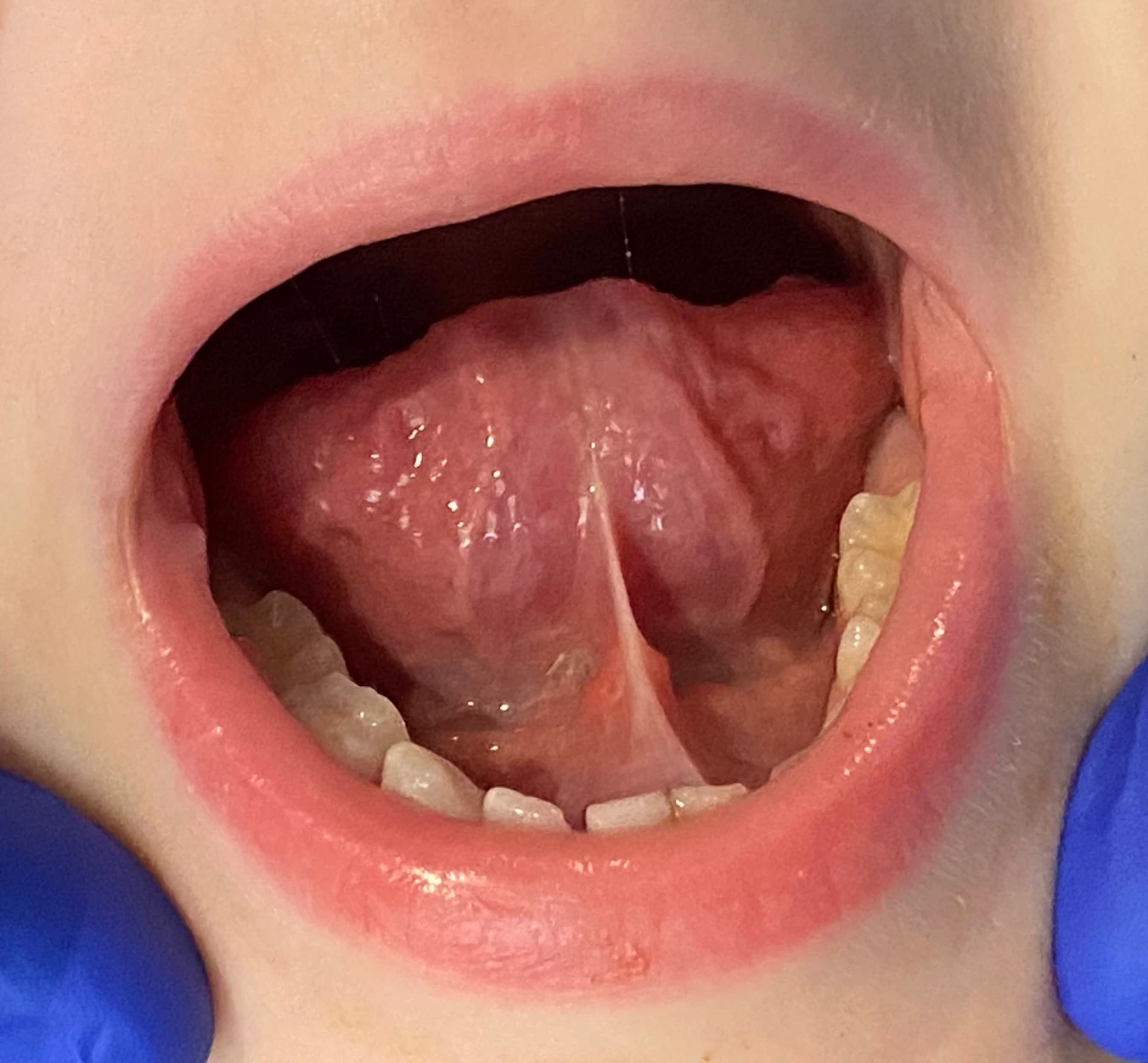
Tongue-tie can affect how the tongue moves, which may impact speech clarity, coordination, and long-term development. While speech therapy and feeding therapy can be incredibly helpful, it is important to first understand whether a physical restriction is limiting progress.
At Alabama Tongue-Tie Center, our role is to evaluate function, identify restrictions, and help guide families toward the right next step.
Does Tongue-Tie Affect Speech?
Yes, tongue-tie can affect speech in some children.
If you’re a parent in Alabama searching for answers about speech delay in toddlers, signs your child needs speech therapy, or why feeding therapy for toddlers isn’t working as quickly as you hoped, you’re not alone.
You’ve done the hard work, found a caring pediatric speech therapist, started speech therapy for toddlers, and maybe even tried feeding therapy for babies or feeding therapy for kids. But some days it feels like you’re hitting a wall. Progress is slow. Frustration builds. And you wonder if there’s something else getting in the way.
There often is. A restricted tongue-tie or lip-tie can quietly limit the very movements your child needs for clear speech sounds and efficient feeding. When those restrictions stay in place, even the best pediatric speech therapy and pediatric feeding therapy can take longer and feel harder than they need to.
Not every child with a tongue-tie has speech issues, but when speech concerns are present, it is important to evaluate whether restriction is a contributing factor.


Common signs parents notice
- Your child struggles with sounds like “r,” “l,” “k,” “s,” or “th” even after months or years of speech therapy
- Mealtimes are stressful – picky eating, slow eating, gagging, or trouble chewing/swallowing despite feeding therapy for toddlers
- Limited tongue movement (can’t lift the tongue to the roof of the mouth) or trouble moving food around
- History of poor latch or feeding struggles as a baby (reflux, gas, colic)
- Slow progress in toddler speech therapy or kids’ speech therapy, even with a dedicated pediatric speech therapist or pediatric feeding therapist
Do You Offer Speech Therapy?
We do not provide speech therapy or feeding therapy services in our office.
However, we work closely with trusted speech-language pathologists and frequently collaborate to support children before and after treatment when needed.
Our goal is not to replace therapy, but to help determine when a structural issue may be limiting progress, and to help your child graduate from feeding therapy or speech therapy faster and with fewer compensations.
How does speech therapy work for toddlers?
Pediatric speech therapy and speech therapy for children focus on building clear articulation, expanding vocabulary, and improving overall communication. Sessions are play-based and fun, but they rely on the tongue and lips having a full range of motion to practice new sounds. We often see kids acquire new sounds or words the same day or within a week after the tongue is released.
Can Speech Therapy Alone Fix Tongue-Tie?
Speech therapy can be very effective for many children.
However, if the tongue cannot move properly due to a restriction, therapy alone may not fully resolve certain speech challenges.
If your shoelaces are tied together, you can have the best running coach in the world, but you will not be able to run at your full potential.
When a tongue-tie is present, children may:
- Plateau in progress
- Continue using compensations
- Struggle to achieve clear articulation despite their best effort
When structure limits function, both may need to be addressed for the best outcome. We can address a restricted tongue-tie in a simple, 15-second laser procedure without putting the child to sleep, and in one office visit.

We Work Closely with Therapists All Over Alabama
From Birmingham to Montgomery, Huntsville to Mobile, and everywhere in between, we’ve built strong referral relationships with pediatric speech therapists and pediatric feeding therapists statewide. We’re happy to communicate directly with your child’s therapist so care stays coordinated and collaborative. Better progress is possible.
At Alabama Tongue-Tie Center, we believe every child deserves the best chance to thrive in therapy. A simple assessment can show whether a tongue-tie or lip-tie is holding things back – and a quick, precise release can often help your existing speech therapy or feeding therapy for kids work even better.
Meet your guides

Dr. Richard Baxter
A board-certified pediatric dentist, diplomate of the American Board of Laser Surgery, and the author of the best-selling book Tongue-Tied. He’s spent years helping families and therapists see the hidden connections that make therapy more successful.

Dr. Brigitte Trego
A board-certified pediatric dentist trained at Cincinnati Children’s Hospital. After watching both of her own sons’ feeding challenges improve dramatically following their releases, she brings that same gentle, family-centered approach to every evaluation.

Incredible progress we’ve seen
- Speech sounds that were stuck start to improve more quickly in toddler speech therapy.
- Feeding sessions become smoother and less stressful.
- Therapists notice better tongue elevation, stronger seals, and faster skill-building.
- Overall confidence grows – for your child and for the whole family.
Here’s exactly how it works
Schedule a Consult
No referral needed. Tell us about the speech or feeding therapy your child is already receiving.
Get a Complete Assessment
We evaluate tongue and lip function and explain how it may be affecting progress in therapy.
Support Your Current Team
If a release is recommended, we can often do it the same day. We’ll share notes with your pediatric speech therapist or feeding therapist so everyone stays on the same page.
Frequently Asked Questions
Does my toddler need speech therapy?
If you're noticing limited words, unclear sounds, or frustration when trying to communicate by age 2, it's worth having a pediatric speech therapist evaluate. Many families also discover a tongue-tie or lip-tie at the same time. We treat kids aged birth to 18 years old, so if there are feeding or speech struggles, give us a call.
What are the signs of speech delay in toddlers?
Not using 25-50 words by 18 months, or 100+ words by 24 months, difficulty with certain sounds, or relying mostly on gestures can be common signs. A restricted tongue can sometimes make those sounds harder to produce. An evaluation often reveals why therapy may be moving slowly.
When to start speech therapy?
The earlier the better, as early intervention speech and language therapy is most effective when started as soon as concerns appear. Checking for a tongue-tie at the same time can help therapy work more efficiently. The sooner a tongue-tie is treated, and the child has normal tongue mobility, the better.
How does speech therapy work for toddlers?
It's usually play-based and fun. Your pediatric speech therapist guides your child through activities that build sounds, words, and confidence. Full tongue mobility makes those exercises easier and more effective.
What is feeding therapy?
Feeding therapy for toddlers and babies helps with safe swallowing, texture acceptance, and mealtime enjoyment. A tongue- or lip-tie can make it more challenging to develop those skills until the restriction is addressed.
Take the next step for your child.
Schedule a consult today and find out whether a tongue- or lip-tie might be the missing piece of your child’s speech or feeding therapy journey.